
Nourish Your Emotions Through Mindful Eating
Discover how the foods you choose can become powerful allies in managing stress, anxiety, and emotional wellbeing. Learn the science behind eating for emotional balance and transform your relationship with food.
The Mealfeelingscore Difference
We believe that emotional wellness and nutrition are deeply connected. Our editorial content helps you understand how specific foods and eating patterns influence your mood, stress levels, and overall emotional health.
Science-Based Insights
Explore evidence-backed research on how neurotransmitters like serotonin and dopamine are influenced by what you eat, and how this affects your mood and emotional resilience.
Practical Meal Guidance
Learn which foods support emotional stability, how to structure balanced meals for better mood regulation, and practical strategies for making mindful eating choices in your daily life.
Emotional Awareness
Develop deeper awareness of emotional eating patterns, understand your food-mood connections, and discover techniques for building a healthier, more balanced relationship with eating.
Understanding Your Food-Mood Connection
Your brain and body communicate constantly through chemical messengers. What you eat directly influences the production of mood-regulating compounds like serotonin, which is why the phrase "food is fuel" only tells half the story.
When you're stressed, anxious, or emotionally overwhelmed, your body has specific nutritional needs. Whole grains, lean proteins, healthy fats, and colourful vegetables contain the building blocks your brain requires to maintain emotional equilibrium and resilience.
Beyond chemistry, mindful eating practices help you pause, reflect, and respond consciously to emotional triggers rather than reacting automatically. This awareness transforms eating from a source of stress into a tool for emotional regulation.
Read Our Latest Articles
The Five-Step Framework for Emotional Eating Balance
A practical roadmap to understand and improve your relationship with food and emotions
Pause & Recognise
Before eating, take a moment to identify what you're feeling. Are you physically hungry or emotionally seeking comfort? Learning to distinguish between physical and emotional hunger is the foundation of balanced eating.
Choose Intentionally
Select foods that genuinely nourish both body and mind. Include protein, complex carbohydrates, and healthy fats that stabilise blood sugar and support neurotransmitter production for sustained emotional stability.
Eat Mindfully
Slow down, engage your senses, and truly experience your meal. Notice colours, flavours, and textures. This presence reduces stress and allows your body's natural satiety signals to work properly.
Notice the Impact
Pay attention to how different foods and eating patterns affect your mood, energy, and emotional state over the following hours. This feedback loop builds powerful intuition about your unique food-mood relationships.
Adjust & Grow
Use your observations to gradually refine your choices. There's no perfection—only progress. Small, consistent improvements in eating patterns accumulate into lasting emotional wellness benefits.
Balanced Meal Inspiration
Visual examples of nourishing meals designed to support emotional wellbeing

Mediterranean Grain Bowl
Quinoa, roasted vegetables, chickpeas, and olive oil drizzle. Rich in magnesium and B vitamins for mood stability.
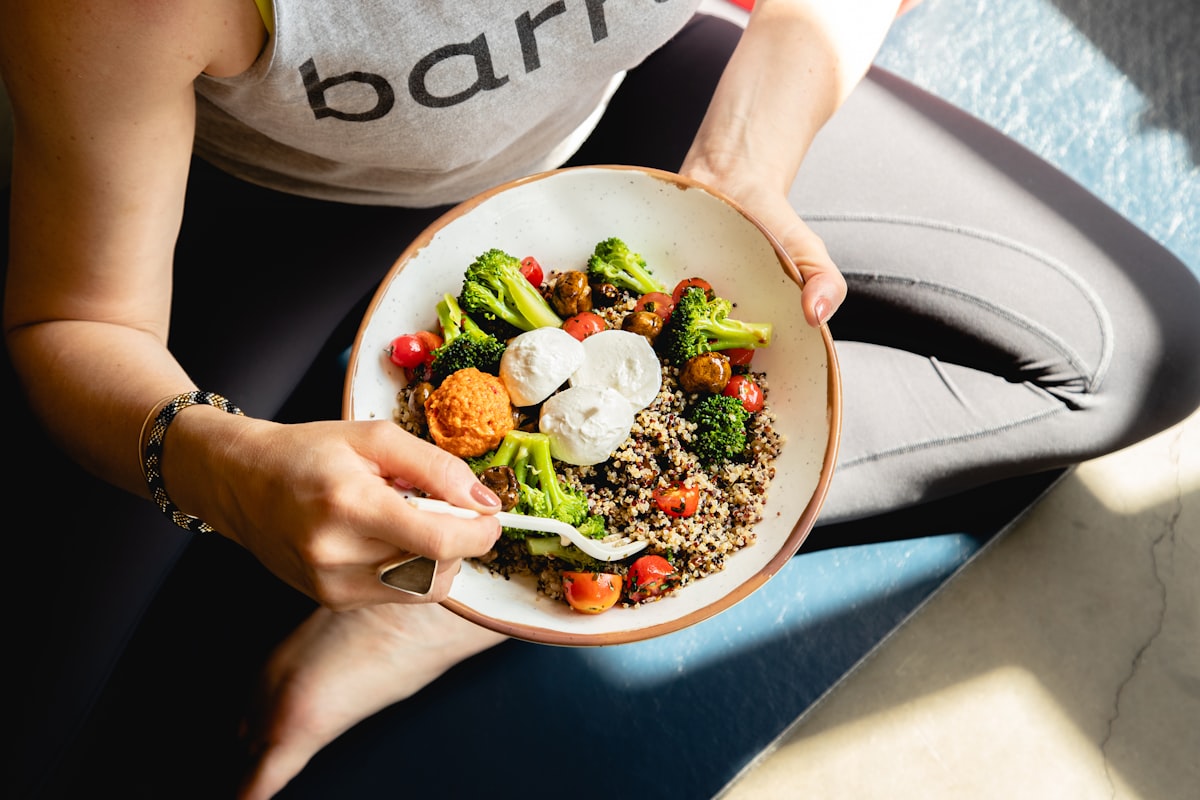
Omega-Rich Salmon Plate
Baked salmon, roasted sweet potato, and leafy greens. Omega-3 fatty acids support brain health and emotional resilience.

Antioxidant Smoothie Bowl
Berries, yoghurt, and nuts on a base of blended fruit. Probiotics and antioxidants support both gut and mental health.

Comforting Lentil Soup
Lentils, vegetables, and herbs in warming broth. Legumes provide sustained energy and regulate blood sugar for emotional stability.

Balanced Protein Dinner
Lean protein, whole grains, and seasonal vegetables. The balanced macronutrient ratio supports neurotransmitter synthesis and mood regulation.

Nutrient-Dense Breakfast
Whole grains, healthy fats, and eggs. Starting your day with balanced nutrition sets the foundation for emotional stability.
Real Stories from Our Community (individual results may vary)
Readers share how understanding the food-mood connection has transformed their emotional wellness and eating habits
"I had no idea how much my afternoon anxiety was linked to my lunch choices. After reading the articles about blood sugar stability, I switched to balanced meals with protein and complex carbs. The difference in my afternoon mood is remarkable. I feel calmer and more focused without that afternoon crash." Sarah M.. I feel calmer and more focused without that afternoon crash."
Sarah Mitchell
Manchester
"The mindful eating framework has been a game-changer for me. I used to stress-eat without realising it, then feel guilty. Now I pause before eating and actually ask myself what I need. Sometimes it's food, sometimes it's a walk or a conversation. The practical guidance here genuinely helps you build awareness."
James Richardson
London
"As someone who's struggled with stress-related eating for years, this content finally explained the 'why' behind my habits. Understanding the neurotransmitter connections made everything click. I'm not fighting myself anymore—I'm working with my biology. The meal suggestions are genuinely tasty too, which helps."
Emma Thornton
Edinburgh
"I shared the emotional eating articles with my whole family. Even my teenagers are now more conscious about what they eat and how it affects their mood and focus at school. It's not about restriction—it's about understanding your body better. Brilliant resource."
Claire Patel
Birmingham
Common Questions About Emotional Eating
Answers to help you understand the food-mood connection and build a balanced relationship with eating
What's the difference between emotional hunger and physical hunger?
Physical hunger builds gradually, feels satisfied with nutritious food, and comes from your stomach. Emotional hunger is sudden, craves specific "comfort" foods, and leaves an empty feeling even after eating. Learning to recognise this distinction is fundamental to balanced eating.
How quickly will I notice a mood improvement from changing my diet?
Some people notice increased energy and better focus within days of balancing their meals. Others experience more gradual shifts in their baseline mood and stress resilience over weeks. The key is consistency—small, sustained improvements accumulate into real, lasting changes.
Do I have to give up foods I love to eat for emotional balance?
Not at all. The goal is balance, not perfection or restriction. Include foods you genuinely enjoy—just pair them with nourishing foods that support your mood. A small portion of something you love, eaten mindfully after a balanced meal, fits into emotional wellness perfectly.
Can eating habits really affect anxiety and stress?
Absolutely. Your brain uses nutrients to produce serotonin, dopamine, and other mood-regulating chemicals. Blood sugar stability affects anxiety levels. Inflammation from certain eating patterns increases stress markers. The research is clear: food choices and emotional health are deeply interconnected.
What if I have a complicated relationship with food?
These articles provide educational information to support your journey. If you've experienced disordered eating patterns, the guidance here works best alongside support from appropriate professionals. Our content is designed to build awareness and encourage compassionate, balanced approaches to eating.
Is the Mealfeelingscore framework supported by research?
Yes. Our content draws from peer-reviewed nutrition science, neurobiology, and psychology research. We focus on evidence-based principles about how specific nutrients support neurotransmitter production and how mindful eating practices reduce stress and improve emotional awareness.
Stay Updated with Our Latest Insights
Get new articles and evidence-based guidance on emotional eating and food-mood balance delivered to your inbox
No spam, only thoughtful content. Unsubscribe anytime.
What You'll Discover With Us
Key benefits of understanding the emotional eating framework and building mindful eating habits
Deeper Self-Awareness
Understand your unique food-mood patterns and triggers. This awareness is the foundation for making conscious, intentional choices rather than reactive ones.
Better Mood Stability
By balancing nutrients and stabilising blood sugar, you'll experience more consistent energy, clearer thinking, and resilience during stressful periods.
Reduced Food Guilt
Move away from restrictive thinking toward balanced, compassionate eating. Enjoy food without shame, understanding that emotional eating is natural—the goal is mindful awareness, not perfection.
Practical Daily Strategies
Gain actionable techniques for mindful eating, meal planning, and navigating emotional moments with food in real-world settings—not just theoretical knowledge.
Stronger Emotional Resilience
When your body is properly nourished, your nervous system functions more effectively. You'll find yourself better equipped to handle stress, setbacks, and emotional challenges.
Science-Based Understanding
Move beyond trends and myths. Understand the actual neurobiology and nutrition science behind food-mood connections so you can make confident, evidence-based decisions.
Ready to Transform Your Relationship with Food and Emotions?
Explore our comprehensive articles, practical guides, and evidence-based insights on emotional eating and mindful nutrition. Your journey toward emotional wellness through food starts here.
Questions about our editorial approach? Send us feedback